October 2, 2026
The Long-Term Value of Periodontal Treatment Ventura
By @spencerhatl929

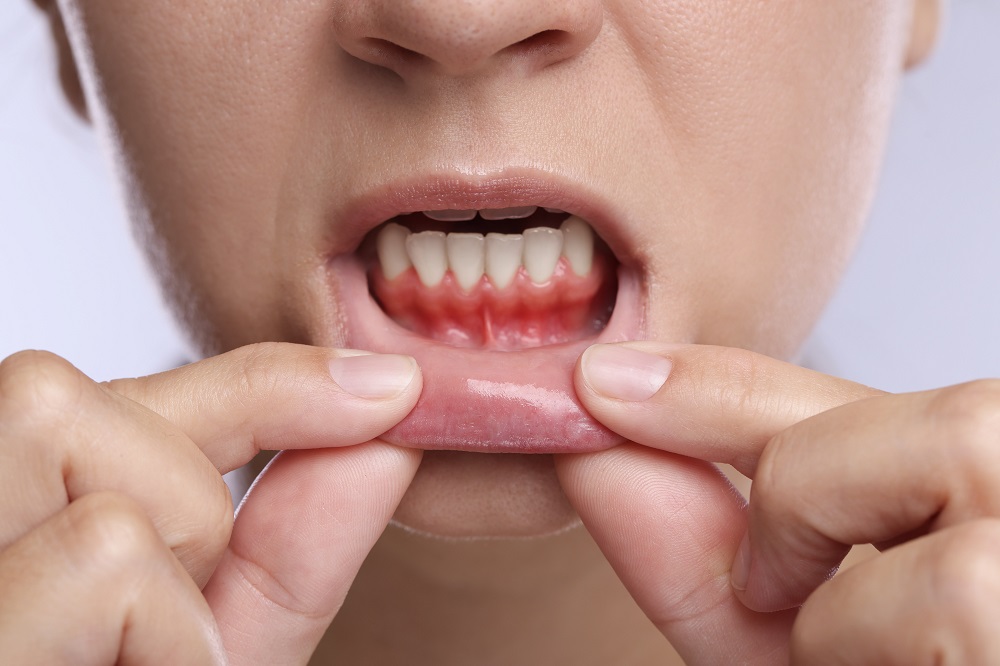
A great deal of dentistry gets discussed in terms of appearance, comfort, or convenience. Periodontal care belongs in a different category. It protects the foundation that holds the teeth in place, supports everyday function, and often shapes a person’s health choices for years afterward. When patients ask whether gum treatment is “worth it,” the most honest answer is that its value tends to become clearer over time. You rarely appreciate healthy periodontal tissue in a dramatic moment. You appreciate it gradually, when your teeth stay stable, your mouth feels clean instead of tender, and you avoid the slow cascade of problems that untreated gum disease tends to create.
That is especially relevant in a community like Ventura, where people want care that lasts. They are not usually looking for a quick patch. They want to keep their natural teeth, eat comfortably, and avoid repeated emergencies. Periodontal Treatment Ventura is not just about stopping bleeding gums during a cleaning visit. It is about preserving bone, controlling chronic inflammation, and reducing the odds that a manageable issue turns into an expensive, complicated one.
What periodontal treatment actually protects
Periodontal disease affects more than the visible gumline. It involves the tissues and bone that anchor the teeth. In its early stages, patients may notice pink in the sink after brushing, puffiness near the margins of the teeth, or a persistent bad taste they cannot explain. Many ignore those signs because they are not always painful. That is one reason gum disease can progress quietly.
Once the disease advances, the risks become more serious. Pockets deepen around the teeth. Bacteria settle below the gumline where brushing cannot reach. Bone loss may begin or continue. Teeth can loosen, bite pressure may shift, and routine chewing starts to feel less secure. At that stage, treatment is no longer a matter of polishing away surface buildup. It becomes a process of controlling infection, reducing inflammation, and preserving as much support as possible.
The long-term value lies in timing. Intervening while teeth still have strong structural potential often leads to better outcomes, fewer procedures, and lower total cost over the life of the mouth. Waiting until a tooth is mobile or a patient is facing multiple extractions changes the conversation entirely.
The hidden cost of doing nothing
Patients often https://soundcloud.com/avra-dental compare the price of treatment to the price of postponement, but they do not always compare the right things. Delaying gum care can seem cheaper in the short run because symptoms may come and go. A little bleeding today may disappear next week. Mild soreness may settle down. That creates a false sense of control.
The real cost of delay often appears later, and it rarely arrives alone. What begins as mild to moderate periodontal involvement can progress into deeper pockets, more extensive root exposure, bite instability, recession, and eventual tooth loss. Once teeth are lost, replacement options such as bridges, dentures, or implants enter the picture. Those can be excellent solutions, but they are restorative solutions to a problem that might have been slowed or prevented earlier.
I have seen patients spend years bouncing between “watching it” and treating isolated flare-ups, only to find that several teeth now require complex planning at once. A person who might have managed well with non-surgical periodontal therapy and close maintenance is suddenly facing extractions, grafting, temporary prosthetics, and months of appointments. The contrast is stark. Preventive or early periodontal treatment feels like an expense. Advanced reconstruction feels like a consequence.
Why long-term maintenance matters more than a single procedure
One of the biggest misunderstandings about gum therapy is the idea that it works like a one-time repair. In reality, periodontal treatment is often a turning point rather than a finish line. The initial phase may include deep cleaning, also called scaling and root planing, localized antimicrobial measures, occlusal adjustments in some cases, or referral to a periodontist when surgery or advanced regeneration is indicated. Those steps can make a major difference, but their long-term success depends on maintenance.
Periodontal disease is strongly influenced by bacterial biofilm, home care, anatomy, smoking status, dry mouth, bite forces, diabetes control, and genetic susceptibility. That means two patients with similar X-rays can have very different trajectories. One may stabilize beautifully with regular maintenance and improved brushing technique. Another may need more frequent recalls because inflammation returns quickly in deep or difficult areas.
This is where patients begin to see the real value of consistent care. Periodontal maintenance visits are more targeted than standard preventive cleanings. The goal is not simply to remove visible tartar. The goal is to monitor pocket depths, bleeding points, tissue tone, and areas of recurrent buildup before they trigger fresh damage. A well-maintained periodontal patient often avoids the dramatic cycle of “ignore, hurt, panic, treat” that defines so much delayed dental care.
Ventura patients often value function as much as appearance
A healthy smile matters, but function usually drives commitment. In Ventura, many patients lead active lives. They surf, hike, work physically demanding jobs, meet clients face-to-face, and eat on the go. They do not want a mouth that feels unreliable. Inflamed gums affect daily life in subtle but persistent ways. Certain foods become irritating. Breath confidence drops. Cold sensitivity increases where roots are exposed. Patients may avoid flossing because it bleeds, which only worsens the cycle.
After effective periodontal treatment, those small improvements add up. Patients often report that their mouth feels less swollen, less “busy,” and easier to keep clean. They can brush without the same tenderness. Their breath is more neutral. Food no longer packs as aggressively in inflamed spaces. They stop thinking about their gums every day. That kind of normalcy has real value, even if it does not make for flashy before-and-after photos.
There is also a cosmetic payoff, though it is not always immediate or obvious. Healthy gums frame the teeth more evenly. Tissue that is no longer chronically puffy tends to look cleaner and more defined. If restorative work is needed later, crowns, veneers, and implants perform and look better in a mouth with stable periodontal support.
The connection between periodontal health and restorative success
Dentistry works best when it is built on stable tissue. This is one of the clearest reasons Periodontal Treatment Ventura deserves to be viewed as an investment rather than a standalone service.
Consider a patient who wants to replace old crowns, straighten crowded lower teeth, or place implants in areas where teeth were lost years ago. If the gums are inflamed and the periodontal condition is active, restorative care becomes less predictable. Margins are harder to place accurately. Impressions or scans may not reflect stable tissue contours. Orthodontic movement in a mouth with active periodontal disease can accelerate damage. Implant planning becomes more complicated if bone loss is ongoing or generalized.
When the periodontal condition is treated first, everything downstream improves. Restorative work can be designed around healthier tissue. Teeth used as anchors have better support. Implant sites can be evaluated more honestly. Cosmetic results tend to last longer because they are not fighting chronic inflammation from underneath.
This sequencing matters. Patients sometimes feel frustrated when a dentist or specialist recommends gum treatment before the “real work” they came in for. Yet from a long-term perspective, that order is exactly what protects the larger investment.
Financial value over the span of years
No responsible clinician should pretend periodontal treatment is free of cost. It requires time, follow-up, and patient participation. But cost has to be measured over a realistic horizon. Five years is more honest than five weeks. Ten years is often more honest still.
The financial value usually shows up in four ways:
- fewer dental emergencies linked to infection, abscesses, or loose teeth
- less need for major restorative replacement caused by preventable tooth loss
- better longevity for crowns, bridges, implants, and fillings placed in a healthier environment
- more predictable maintenance costs compared with crisis-driven treatment
This does not mean every treated tooth will last forever. Periodontal disease varies in severity, and some teeth are already compromised by the time care begins. Still, preserving even a few strategically important teeth can change a treatment plan dramatically. Saving molars that maintain bite support, for example, may delay or eliminate the need for more extensive prosthetic work. Stabilizing front teeth can preserve speech and appearance while avoiding a complex remake of the entire smile.
A useful way to think about the economics is this: periodontal care often lowers the likelihood that several expensive problems will stack on top of one another. Patients rarely regret avoiding that pileup.
The emotional side of keeping your own teeth
Long-term value is not only clinical or financial. It is personal. People form strong attachments to their natural teeth, even if they have had fillings, crowns, or cosmetic work. Losing teeth changes how a person sees themselves. It can alter confidence, social ease, and the simple act of eating in public.
Some patients come in embarrassed because they delayed care. They assume the conversation will be about blame. Good periodontal care should not feel like that. It should feel practical. Here is what is happening, here is what can still be preserved, and here is how we keep this from getting worse. That shift alone can be powerful. Patients often feel relief once they understand that treatment is a path forward, not a punishment for neglect.
I have seen patients who avoided smiling broadly because their gums were swollen or their teeth felt unstable. After treatment and maintenance, their change in demeanor was obvious long before any cosmetic procedure entered the picture. They laughed differently. They spoke with less self-consciousness. They booked routine visits instead of waiting for something to break.
That kind of confidence is hard to price, but it is part of the long-term return.
What treatment may involve, and why plans differ
Periodontal treatment is not one-size-fits-all. A patient with mild inflammation and early attachment changes does not need the same approach as someone with advanced bone loss around multiple teeth. The plan depends on exam findings, X-rays, pocket measurements, medical history, home care, smoking status, and how the tissues respond over time.
A thoughtful treatment path may include:
- a detailed periodontal evaluation with charting and radiographs
- scaling and root planing to remove deposits below the gumline
- localized antimicrobial therapy or referral for surgical care when indicated
- customized maintenance intervals, often every three to four months for active periodontal patients
- coaching on home care tools that fit the patient’s anatomy and habits
The key point is not that every patient needs every item. The key point is that effective care is tailored. For one person, the breakthrough may be removing heavy buildup and switching to interdental brushes that actually fit. For another, success depends on managing diabetes more tightly and returning at shorter intervals. For a smoker with recurrent inflammation, the clinical work matters, but behavior change may matter just as much.
The role of home care, and where patients often go wrong
Professional treatment can accomplish a lot, but no periodontal plan succeeds without daily home care. That said, “brush and floss better” is too vague to be useful. Patients need specifics. The right tools and techniques depend on spacing, dexterity, gum recession, restorations, and whether pockets remain in certain areas.
The most common mistake is assuming harder brushing will solve the problem. It often does the opposite. Aggressive brushing can worsen recession and sensitivity without effectively cleaning below the gumline. Another frequent issue is inconsistent interdental cleaning. Patients may brush twice a day and still leave the most disease-prone areas untouched because flossing is uncomfortable or poorly matched to their anatomy.
A better approach is practical and individualized. Some patients do best with waxed floss and a simple pattern they can stick to. Others need soft picks, interdental brushes, or a water flosser to clean wider embrasures and bridgework. Electric toothbrushes can be a major help for those who rush or use too much pressure. The goal is not perfection. The goal is sustainable control of biofilm in the places disease likes to persist.
Why early treatment is usually less invasive
Patients often avoid evaluation because they fear surgery. Ironically, delay makes surgery more likely. When periodontal disease is caught earlier, non-surgical care may be enough to reduce inflammation and improve pocket depths. Tissue responds better when the supporting structures have not been badly compromised.
Once bone loss becomes advanced, treatment options may become more complex. Surgical access may be needed to clean root surfaces thoroughly, reshape tissue, or attempt regenerative procedures in select defects. Some teeth with severe mobility, furcation involvement, or very limited remaining support may carry a guarded prognosis despite treatment.
That does not mean advanced cases are hopeless. Many are manageable, and some respond extremely well when patients commit to maintenance. But the line between “manageable” and “fragile” often depends on how long the disease was allowed to progress before action was taken.
How periodontal health intersects with overall health
It is wise to be careful here. Gum treatment should not be oversold as a cure-all for systemic disease. Still, the mouth is not separate from the body. Chronic periodontal inflammation adds to a person’s inflammatory burden, and there are well-established associations between periodontal disease and conditions such as diabetes. The relationship can be especially important in patients whose blood sugar control is inconsistent, because inflammation can make management harder, and poorly controlled diabetes can make periodontal disease more severe.
From a practical standpoint, patients with healthier gums often find routine oral hygiene easier, less painful, and more effective. That creates a positive cycle. They clean better, tissues improve, maintenance gets easier, and the condition stabilizes more predictably. For medically complex patients, any reduction in active oral infection is worthwhile on its own terms.
Choosing care based on long-term thinking
People often shop for dental treatment the same way they shop for household repairs, by comparing immediate estimates. That approach can miss the bigger picture. The better question is not only “What does this visit cost?” but also “What outcome does this plan support over the next several years?”
A sound periodontal plan should be clear about goals. Is the aim to halt progression, improve comfort, retain key teeth, prepare for restorative work, or all of the above? It should also be honest about prognosis. Not every tooth can or should be saved at any cost. Sometimes the best long-term value comes from stabilizing the rest of the mouth while extracting a tooth with very poor odds. Good treatment planning involves judgment, not reflexively choosing the most aggressive or the cheapest route.
For patients considering Periodontal Treatment Ventura, that distinction matters. Value comes from appropriateness. The right care at the right time preserves options. It keeps a moderate problem from becoming a full-mouth problem. It supports every future dental decision, whether that means maintaining natural teeth, placing implants, or improving the smile cosmetically.
What patients tend to notice six months, two years, and five years later
The timeline of benefits is worth understanding because it shapes motivation. At six months, patients often notice reduced bleeding, fresher breath, and less soreness during brushing. They may also notice that cleanings feel different because the tissues are calmer and deposits are not reforming as aggressively.
At two years, the benefits become more structural. Pocket depths may be more stable. X-rays may show no significant progression in key areas. Teeth that once felt slightly tender or loose may feel steadier. Restorative work placed after stabilization is often easier to maintain.
At five years and beyond, the value is usually measured in what did not happen. No emergency extraction before a vacation. No sudden discovery that multiple crowns fail because support was lost underneath. No spiraling treatment plan triggered by years of unmanaged inflammation. This is the quiet success of periodontal care. It prevents dramatic decline and protects ordinary comfort, which is what most patients want in the first place.
The real return on investment
When periodontal treatment is approached thoughtfully, its long-term value is hard to overstate. It preserves the supporting structures of the mouth. It improves the odds that natural teeth remain functional longer. It helps restorative and cosmetic dentistry perform better. It reduces the risk of expensive, layered complications. Just as important, it allows patients to move through daily life without the constant friction of bleeding gums, bad breath, tenderness, or uncertainty about whether a tooth is weakening.
That is why the best way to think about Periodontal Treatment Ventura is not as an isolated procedure code or a temporary fix. It is foundational care. It protects what other dentistry depends on. For patients who want durable results rather than repeated rescue work, that foundation is where the smartest investment usually begins.
Avra Dental
Address: 1708 S Victoria Ave B, Ventura, CA 93003
Phone number: (805) 941-1001
FAQ About Periodontal Treatment Ventura
Can a dentist get rid of periodontal disease?
A dentist or gum specialist (periodontist) cannot fully cure or reverse advanced periodontal disease (periodontitis), but they can successfully stop its progression and manage the infection.
Is periodontitis very serious?
Yes, periodontitis is a very serious, advanced form of gum disease that destroys the bone and tissues supporting your teeth.
How is stage 2 periodontal disease treated?
Stage 2 periodontal disease (early to moderate periodontitis) is primarily treated with non-surgical deep cleaning procedures like scaling and root planing to remove bacteria and tartar below the gumline.
❧